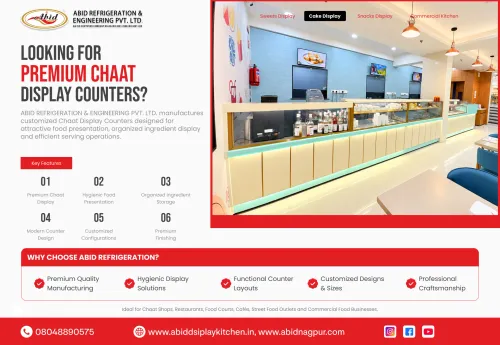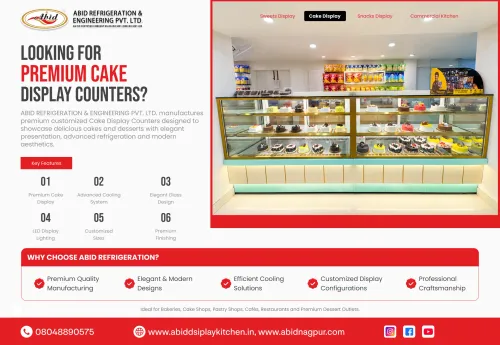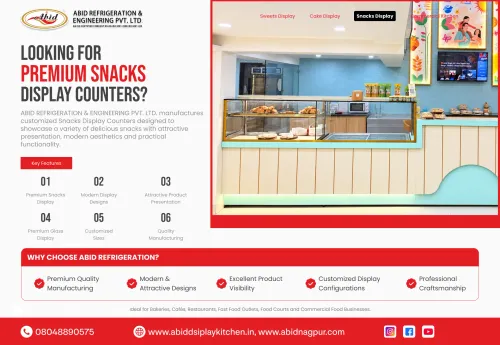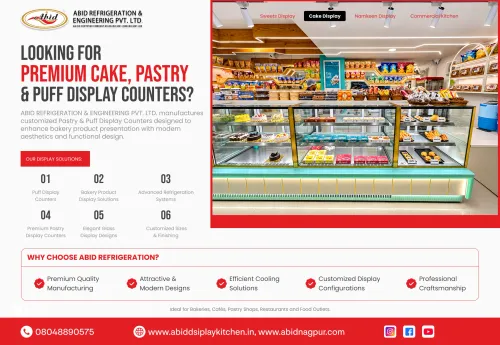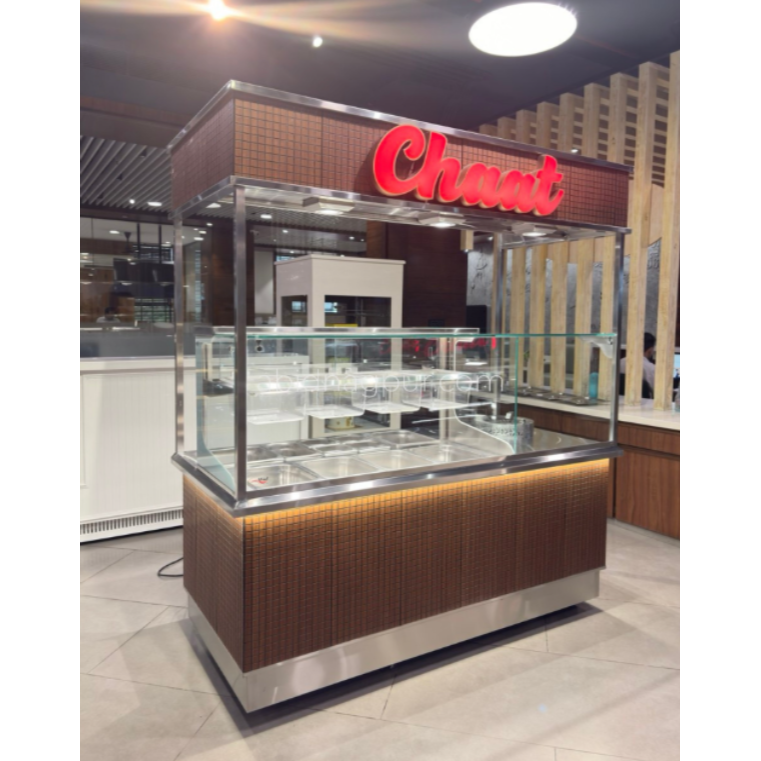
A chaat counter may appear simple, but anyone operating one during a busy evening knows how many tasks happen within a small space. Ingredients need to remain organized, serving must be quick, utensils require accessible positions, and surfaces need regular cleaning. Choosing an SS Chaat Stall should therefore begin with workflow rather than appearance.
Stainless steel is commonly used for commercial food-service equipment because it provides a practical working surface and can withstand regular cleaning. Yet stainless-steel construction alone does not guarantee that every stall will suit every menu.
Start by listing the dishes to be prepared and served.
A pani puri setup may need organized space for puris, flavored water, fillings, chutneys, and serving utensils. A broader chaat menu may require additional areas for potatoes, curd, sev, spices, papdi, sauces, garnishes, and prepared components.
Once the menu is clear, evaluate the stall in five areas.
1. Working surface
There should be enough preparation area for staff to assemble dishes efficiently without constantly shifting containers.
2. Ingredient organization
Frequently used ingredients should remain within comfortable reach. Suitable container positions can help employees work systematically during rush periods.
3. Storage
Consider where backup ingredients, utensils, packaging materials, and cleaning supplies will be kept. An attractive top surface is less useful if there is insufficient functional storage underneath.
4. Cleaning
Corners, joints, shelves, and working surfaces should be accessible. Chutneys, curd, spices, and other ingredients can spill frequently during service.
5. Customer-facing layout
The stall should provide an orderly serving area while keeping preparation activities manageable for employees.
For chaat outlets, restaurants, food courts, caterers, and snack businesses in Nagpur, Maharashtra, dimensions should be selected according to both expected customer volume and available space.
Mobility may also be relevant depending on the application. A fixed restaurant service counter and a stall that needs periodic repositioning can require different construction considerations.
Buyers should inspect fabrication quality rather than deciding only on price. Look at the stability of the structure, finishing of working surfaces, shelf strength, joints, storage arrangement, and ease of daily use.
Customization can be useful when a standard configuration does not match the menu. Before requesting modifications, businesses should provide accurate measurements and explain where ingredients, utensils, serving plates, and other essentials need to be positioned.
Abid Refrigeration Engineering P. Ltd manufactures commercial kitchen and food-service equipment for businesses in Nagpur. For an SS chaat stall, discussing menu requirements and actual service workflow before finalizing dimensions can result in a more practical setup.
A well-designed stall should help staff serve customers smoothly, keep ingredients organized, simplify cleaning, and make effective use of limited working space
Keywords