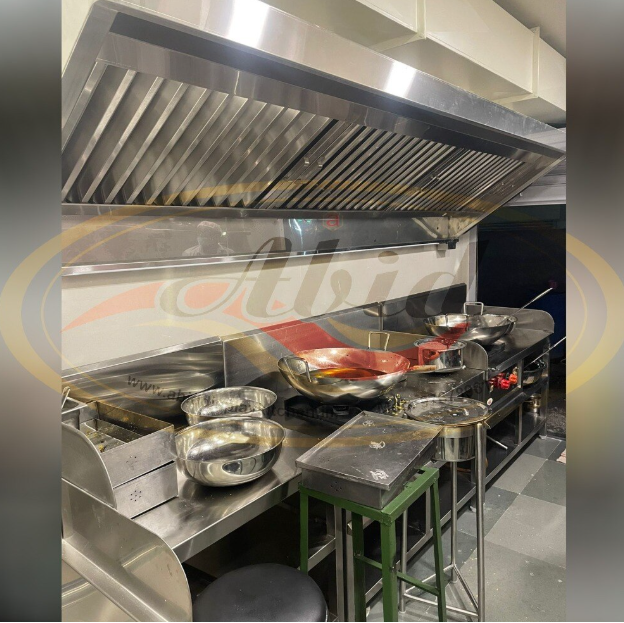
Setting up a commercial food business involves much more than choosing a stove, refrigerator, and a few stainless-steel tables. The right Kitchen Equipment affects workflow, food safety, storage capacity, preparation speed, staff productivity, and the overall ability of a business to handle busy service hours.
For restaurants, cafés, bakeries, hotels, cloud kitchens, sweet shops, and catering businesses in Nagpur, Maharashtra, equipment planning should ideally begin with the menu and expected production volume. A compact café preparing sandwiches and beverages has very different requirements from a restaurant handling hundreds of meals or a bakery producing cakes and pastries throughout the day.
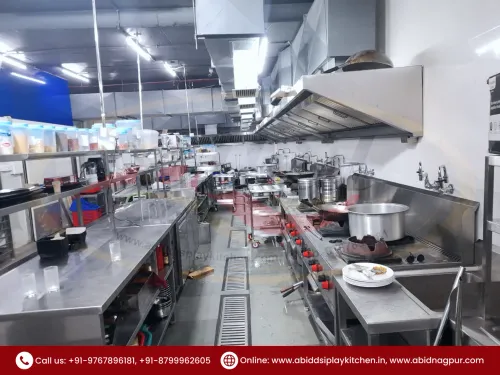
Before selecting equipment, map the movement of food through the kitchen. A practical workflow generally includes receiving ingredients, storage, preparation, cooking, holding, service, and cleaning. Equipment should support this sequence without creating unnecessary movement between workstations.
Important factors to consider include:
- Daily food production volume
- Menu and cooking methods
- Refrigerated and frozen storage requirements
- Available floor space
- Electrical and gas connections
- Ventilation requirements
- Staff movement
- Cleaning accessibility
- Future expansion plans
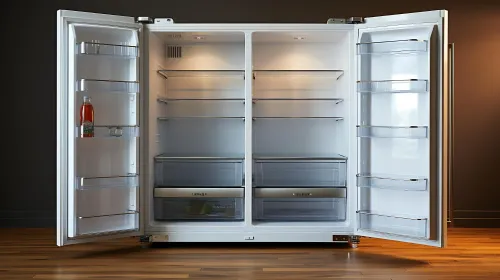
Refrigeration deserves particular attention. Restaurants working with dairy products, vegetables, desserts, meat, sauces, and prepared ingredients need suitable refrigeration capacity rather than relying on an undersized domestic refrigerator. Similarly, bakeries and confectionery businesses may require specialized display and storage systems for cakes, pastries, and chocolates.
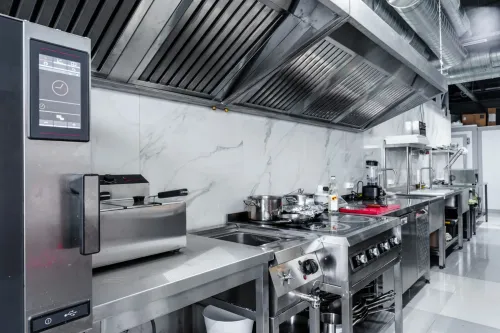
Material quality also matters. Stainless-steel equipment is commonly used in professional kitchens because it provides a durable, practical surface that can be cleaned regularly. However, buyers should still examine fabrication quality, joints, shelves, doors, handles, and overall construction instead of evaluating equipment only by its appearance.
Space utilization is another major consideration, particularly in commercial areas of Nagpur where kitchens may need to operate within limited floor space. Vertical refrigeration, organized preparation counters, and appropriately sized cooking equipment can help businesses make better use of available space.
Another common mistake is purchasing equipment individually without considering how the entire kitchen will work together. A large refrigerator positioned far from the preparation area, for example, may repeatedly slow staff movement. Similarly, a poorly placed washing station can interfere with food preparation.
Businesses should therefore prepare basic measurements and operational requirements before approaching a manufacturer. Details such as available dimensions, expected capacity, menu type, utility connections, and preferred layout make equipment discussions more productive.
Abid Refrigeration Engineering P. Ltd works with commercial food-service requirements in Nagpur, where restaurants and related businesses may need kitchen and refrigeration equipment suited to their operating model. A carefully planned equipment setup can create a kitchen that is easier to operate, maintain, and adapt as the business grows.
Keywords